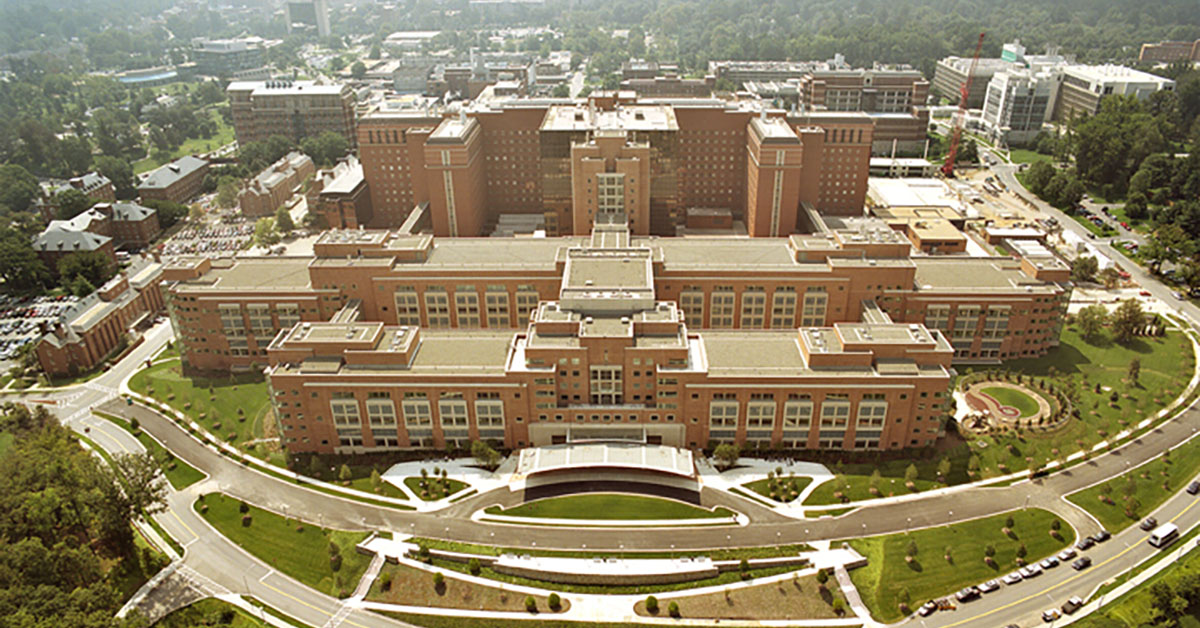
On Wednesday, August 20, 2025, Kim Monson examines the restoration of scientific integrity at the National Institutes of Health with scientist James Lyons-Weiler, celebrates citizen activism victories in Arvada with watchdog Mike Rawluk, explores mortgage market dynamics with Lorne Levy, and analyzes the economics of sustainable aviation fuel and CO2 pipelines with sixth-generation rancher Trent Loos.
Mike Rawluk reports on a significant victory for citizen activists at the Arvada City Council meeting. Council members considered 67 amendments to the land development code, including controversial language that would have expanded the use of parks and open space for public hospitals, libraries, and cultural centers. After citizens presented evidence showing the proposed changes on an overhead projector, the council struck the problematic language.
Rawluk emphasizes the importance of engaged citizen groups, particularly those with technical expertise. The meeting also addressed psilocybin regulations, where council members expressed concern about setback requirements for residential areas. Staff had proposed amendments giving the planning director increased discretionary power, raising questions about unelected bureaucrats writing rules that expand their own authority.
“There are citizen groups everywhere, and we’re starting to realize that if all of us really start communicating and have kind of a network effect, it’s really helpful.”
Mike Rawluk, Citizen Activist
James Lyons-Weiler, founder of IPAC-EDU, explains how the NIH under Director Jay Bhattacharya has adopted what he calls the MAHA playbook for scientific integrity. After three decades of policy-driven science where studies were designed to support predetermined conclusions, the agency now prioritizes reproducibility, reliability, accountability, and transparency.
Lyons-Weiler details major policy shifts including the removal of COVID-19 vaccines from the recommended schedule for healthy children in May 2025, the dismantling and reconstitution of the Advisory Committee on Immunization Practices in June 2025, and the July decision to stop recommending thimerosal-containing flu vaccines. The scientist also addresses concerns about foreign research oversight, noting that subcontracts like those that funded the Wuhan lab will now require separate proposals for peer review.
“Now we see that the high calling of reproducibility and reliability, accountability, transparency, and all the rest are official policy at the NIH.”
James Lyons-Weiler, Scientist and IPAC-EDU Founder
Lorne Levy analyzes the Federal Reserve’s upcoming September meeting and the unusual economic conditions surrounding potential rate cuts. Unlike typical rate reductions that respond to economic weakness or rising unemployment, the current environment shows relative stability, creating uncertainty about how markets will react.
The mortgage specialist notes that while lower rates would enable refinancing opportunities, they could also trigger multiple offers on homes and push prices higher. Levy highlights the disconnect between official economic indicators and the daily experience of consumers facing elevated prices on everyday goods.
“But I’m just not sure what will happen, because it would be sort of weird or unprecedented for them to cut into a good economy.”
Lorne Levy, Mortgage Specialist
Trent Loos delivers a detailed analysis of sustainable aviation fuel production following a meeting organized by Congressman Mike Flood. The sixth-generation rancher exposes troubling economics: while the aviation industry burns 126 billion gallons of fuel annually, the United States produces only 27 million gallons of sustainable aviation fuel, with feedstocks imported from China and Brazil rather than domestic sources.
Loos presents startling calculations on carbon capture: compressing CO2 into pipelines requires 50 percent of the energy produced at an ethanol plant, while injection into underground formations requires an additional 150 percent of equivalent energy. Southwest Airlines has announced withdrawal from a sustainable aviation fuel plant in Liberal, Kansas, citing unsustainable costs. Loos questions whether CO2 pipelines represent a taxpayer-funded infrastructure that will ultimately serve hydrogen and methanol production rather than carbon sequestration.
The discussion extends to USDA Secretary Brooke Rollins’ announcement limiting funding for solar and wind projects on productive farmland. While Loos supports the policy direction, he reports receiving notifications of new solar development proposals in Nebraska and Texas within hours of the announcement, suggesting implementation gaps between federal rhetoric and local action.
“I think that the CO2 pipelines are a fraud to get the taxpayers to pay for an infrastructure because, ironically, all of them happen to be going to an oil field area where we have a tremendous surplus of methane that is being burned and flared off.”
Trent Loos, Sixth-Generation Rancher

Episode from The Kim Monson Show
Jack Skellington in The Nightmare Before Christmas sincerely believed that he could be in charge of Christmas, yet it turned into complete chaos. He...
Show sponsor and mortgage specialist Lorne Levy with Polygon Financial Group, 303-880-8881, is in studio with Kim. Army World War II Veteran Lou Zoghby...